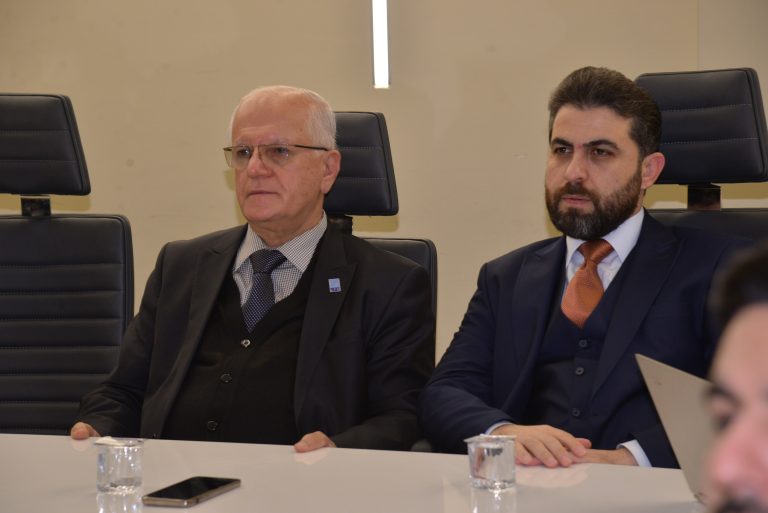
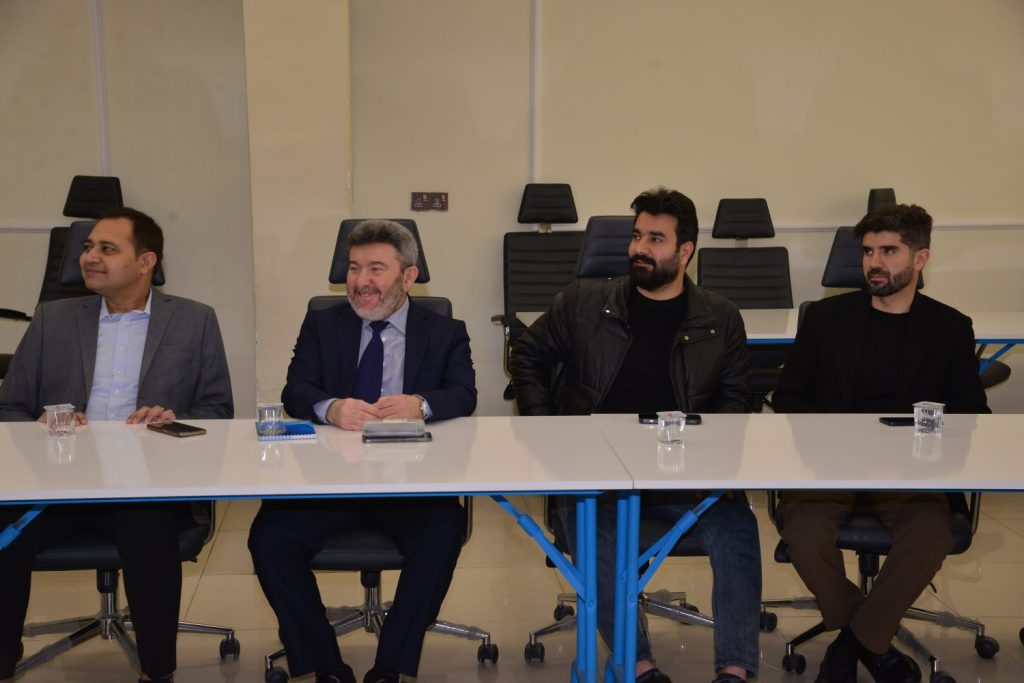
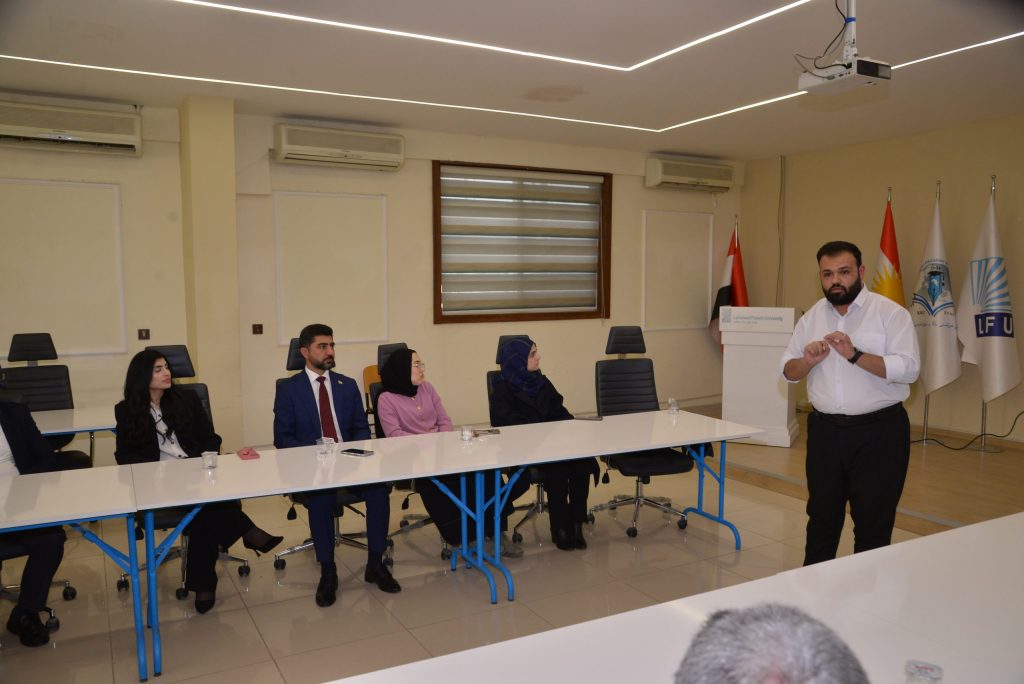
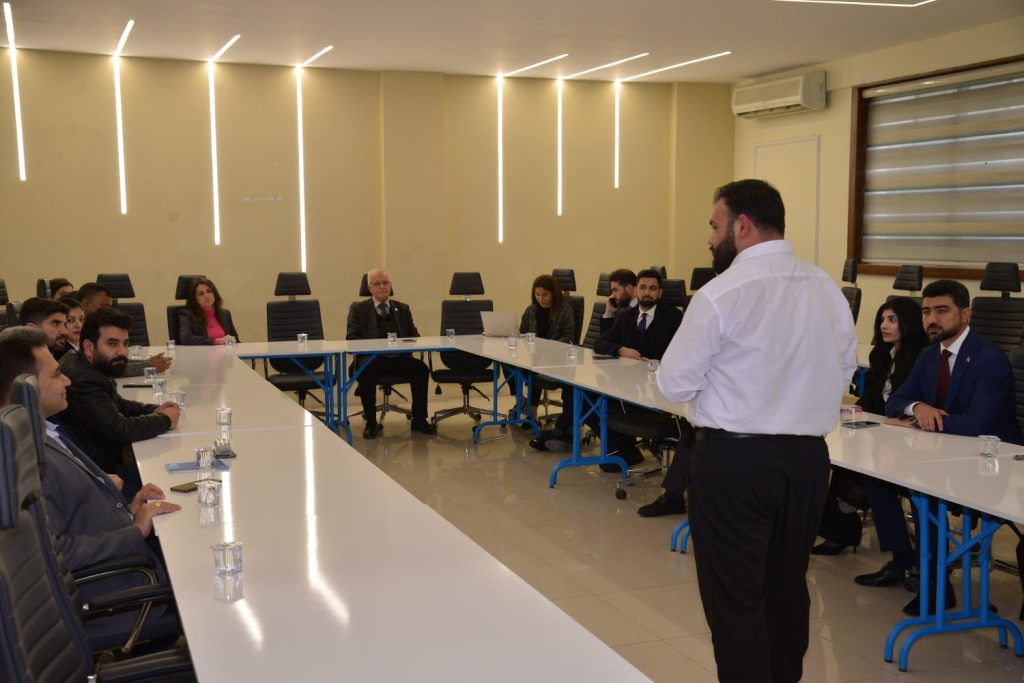
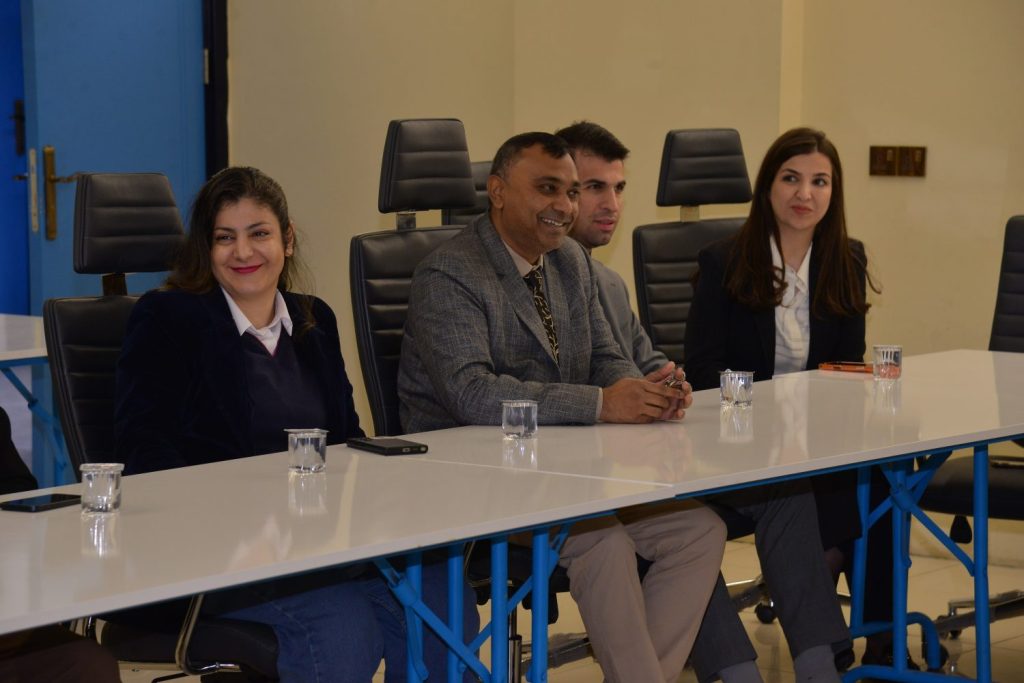
Earlier this month, on February 9, 2026, I had the privilege of facilitating a national university workshop on Content and Language Integrated Learning (CLIL) for Multilingual Higher Education, hosted by the Department of General Education at the College of Education & Languages. It was one of those days that reminds me why I am so passionate about language, teaching, and the transformative potential of the classroom.
The workshop was designed for university lecturers, people who show up every day to share their expertise with students from diverse linguistic and cultural backgrounds. My goal was simple: to offer them a practical, research-informed approach that makes that work a little more effective and a lot more inclusive.
Why CLIL?
The question I often get is: why CLIL? And my answer is always the same: because multilingualism is not a problem. It never was.
Too often in higher education, linguistic diversity is framed as a challenge to overcome. CLIL flips that narrative entirely. It is an approach in which academic content is taught through an additional language, allowing students to develop subject knowledge and language skills at the same time, without compromising academic rigor. When done well, it turns the classroom’s linguistic richness into one of its greatest strengths.
Introducing the 4Cs Framework
At the heart of the workshop was the 4Cs Framework of CLIL, a structure I find myself returning to again and again because of how clearly it captures what great integrated teaching looks like:
- Content: what students need to learn
- Communication: the language through which they access and express their learning
- Cognition: the thinking skills involved in engaging with the material
- Culture: the broader perspectives and awareness that give learning meaning
Walking participants through this framework was one of my favorite parts of the day. I could see the moment it clicked for many of them, the realization that they were already doing elements of CLIL intuitively, and that this framework gives them a language to do it more intentionally.
Learning by Doing
I am a firm believer that the best way to understand a teaching approach is to experience it as a learner. So rather than lecturing about CLIL, I tried to facilitate the workshop through CLIL principles, using interactive activities, collaborative discussions, and reflective tasks throughout the session.
We explored practical strategies for before, during, and after lectures: how to scaffold language without dumbing down content, how to facilitate inclusive discussions, and how to design assessments that genuinely measure what students know rather than penalizing them for language gaps.
Watching lecturers engage with these ideas, and hearing them connect the strategies to their own students and subjects, was genuinely rewarding.
A Moment of Reflection
One of the things I always ask participants to reflect on is the role language plays in their assessments. It is a question that tends to generate rich conversation, because the honest answer is: more than we usually acknowledge.
When we design assessments primarily in a language that is not our students’ first, we risk measuring language proficiency instead of content knowledge. CLIL does not ignore language, it makes it visible, supports it deliberately, and values it as part of the learning process rather than a gatekeeping mechanism.
Looking Ahead
I am grateful to the Department of General Education for creating this space, and to every lecturer who came with an open mind and a willingness to engage. The conversations we had that day gave me a lot of hope for where multilingual higher education is heading.
If you are a lecturer interested in exploring CLIL in your own teaching, or if you would like to bring a similar workshop to your institution, I would love to hear from you. These conversations are always worth having.
Have thoughts on CLIL or multilingual education? Leave a comment below or reach out — I am always happy to talk teaching.

0 Comments